3 minute read
Andrew Johns has dismissed calls to relax Origin rules, insisting Moses Leota should remain ineligible.
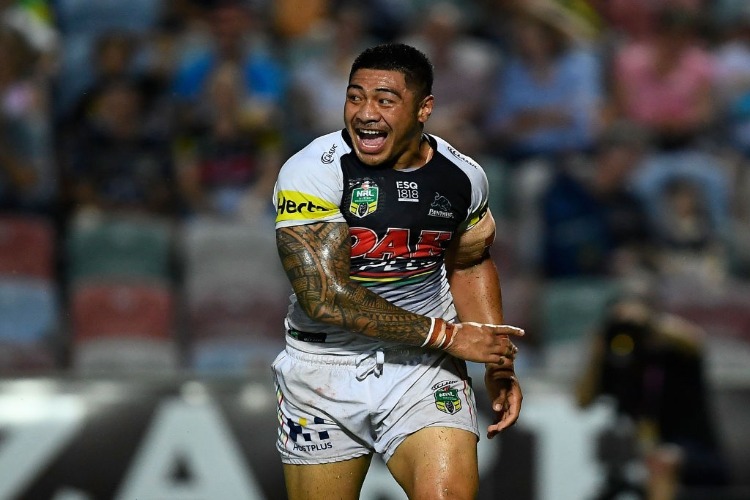
Andrew Johns has opposed calls to make Moses Leota eligible for State of Origin, arguing the current rules should remain unchanged despite growing pressure from NSW officials.
Leota, a key forward for the Penrith Panthers, falls just outside the eligibility criteria after arriving in Australia at 13 years and four months. Under revised rules for 2026, players can represent NSW or Queensland if they moved to Australia before their 13th birthday and played junior football in the state.
The narrow margin has prompted suggestions the rule could be relaxed, particularly with NSW facing uncertainty around its forward stocks. Injuries to Payne Haas and Max King, along with concerns over Keaon Koloamatangi, have increased the appeal of adding Leota to the selection pool.
However, Johns said the line must remain firm, warning that any change would create ambiguity around eligibility thresholds.
Queensland coach Billy Slater pointed to precedent, noting players have previously missed selection under similar circumstances. Ronaldo Mulitalo was ruled ineligible despite playing junior representative football in Queensland, highlighting the strict application of the rule.
Recent changes have already broadened eligibility in other areas. Players who have represented Tier 1 nations such as New Zealand or England are now permitted to feature in Origin, provided they meet the age requirement.
As a result, players including Addin Fonua-Blake and Casey McLean are eligible for NSW, while Briton Nikora qualifies for Queensland. Jahrome Hughes has opted against nomination despite being eligible, and Herbie Farnworth also narrowly misses the age cut-off.
With selection debates intensifying ahead of Origin I, the eligibility rules remain a key point of contention, balancing inclusivity against the need for clear boundaries.